
























Dementia Certification Programs: Certificates vs Certifications vs CEUs
![Dementia Certification Programs: Certificates vs Certifications vs CEUs [Featured Image]](https://www.nccdp.org/wp-content/uploads/2026/04/Featured-Image-002-Dementia-Certification-Programs_-Certificates-vs-Certifications-vs-CEUs-1024x683.jpg)
Not all dementia credentials carry the same weight. Learn what certificates, certifications, and CEUs mean for your career and compliance.
Benefits of Dementia Training for Caregivers
![Benefits of Dementia Training for Caregivers [Featured Image]](https://www.nccdp.org/wp-content/uploads/2026/04/Featured-Image-REF001-1024x683.jpg)
Dementia care demands more than general training – discover the 6 key benefits that transform caregiver confidence and outcomes.
What Is Dementia Training? Requirements, Formats, and Best Practices
![What Is Dementia Training? Requirements, Formats, and Best Practices [Featured Image]](https://www.nccdp.org/wp-content/uploads/2026/04/IG-001-What-Is-Dementia-Training-819x1024.png)
Dementia care is one of the most clinically demanding disciplines in long-term care — and one of the most undertrained. Every professional who supports people living with dementia, from frontline CNAs to memory care administrators, must be prepared to understand what each person is communicating, adapt communication in real time, and respond appropriately as needs […]
When Is It Time for Memory Care? Questions Families Should Ask

Explore NCCDP’s Memory Care Excellence Network, CDP certifications, and CADDCT training to strengthen dementia care standards.
Dementia and Constipation: A Hidden Cause of Agitation, Refusal, and Restlessness

Explore the ADDC Seminar and CDP pathway to strengthen person-centered dementia care across your team.
Capgras Syndrome in Dementia: When a Loved One Thinks You Are an Imposter
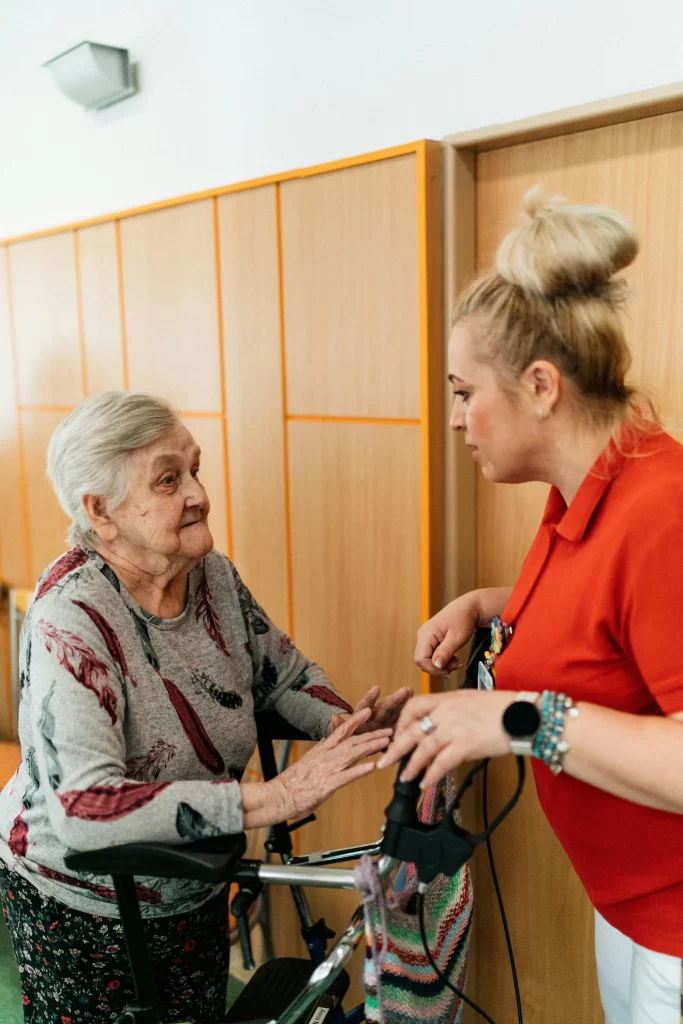
NCCDP’s ADDC Seminar, CDP certification, and CADDCT training help professionals build practical skills for communication, behavior support, and person-centered dementia care.
Anosognosia in Dementia: Why a Person May Not Believe Anything Is Wrong
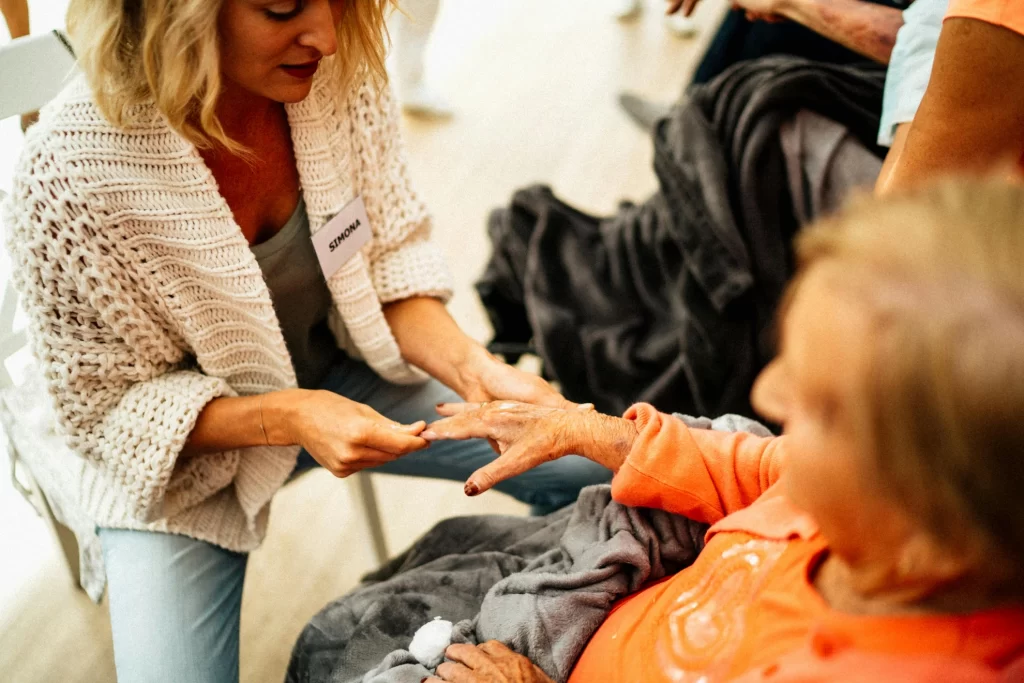
Explore NCCDP’s dementia care certifications and person-centered dementia care resources to strengthen your approach.
Dementia and UTI Symptoms in Older Adults: Why Confusion Can Worsen Suddenly

Explore NCCDP’s ADDC Seminar and dementia care certifications to strengthen person-centered, evidence-based practice.
Brain Health and Dementia Care: How to Integrate Brain Health into Your Dementia Practice
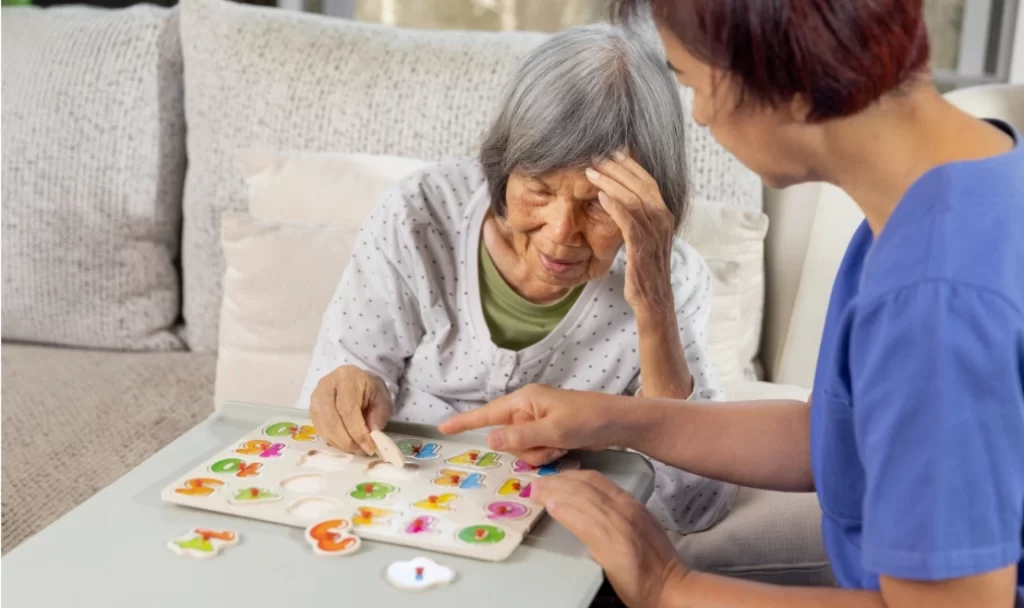
Brain health approaches reinforce a fundamental principle of dementia care: people living with dementia still have the ability to connect, engage, and experience purpose.
Activities for People Living With Dementia

When we focus on the person’s strengths, preferences, and purpose we create more moments of comfort, autonomy, and meaning.